Emergency Backup Power for Commercial and Residential Buildings
In today’s highly connected and electricity-dependent world, a stable power supply is essential for both commercial and residential buildings. From office complexes and shopping centers to apartments and private homes, uninterrupted electricity supports daily operations, safety systems, communication networks, and overall comfort. However, power outages caused by natural disasters, grid failures, equipment breakdowns, or extreme weather events are becoming increasingly common. In this context, emergency backup power solutions play a critical role in protecting people, property, and business continuity.
Why Emergency Backup Power Is Essential
Power outages can occur without warning and may last from minutes to several days. For commercial buildings, even short interruptions can result in financial losses, data corruption, operational downtime, and damage to sensitive equipment. For residential buildings, outages affect basic living conditions, including lighting, heating or cooling, water supply, and food storage.
Emergency backup power systems provide an immediate and reliable source of electricity when the main grid fails. They ensure that critical systems remain operational, reducing risks, maintaining safety, and restoring normalcy as quickly as possible. As urban infrastructure grows more complex and energy demand increases, backup power is no longer a luxury—it is a necessity.
Key Applications in Commercial Buildings
Commercial buildings rely heavily on electricity to function efficiently. Office buildings require power for lighting, elevators, computers, servers, and communication systems. Retail spaces depend on electricity for point-of-sale systems, security cameras, refrigeration, and climate control. Hotels, hospitals, data centers, and financial institutions have even higher demands, as power failures can directly impact safety and service quality.
Emergency backup power systems ensure that essential operations continue during outages. In hospitals, backup generators support life-saving medical equipment and emergency lighting. In data centers, they prevent data loss and system crashes. In commercial complexes, they maintain security systems, fire protection, and access control, ensuring occupant safety and asset protection.
Importance of Backup Power for Residential Buildings
Residential buildings are equally vulnerable to power outages, especially during extreme weather conditions such as storms, floods, or heatwaves. Without electricity, residents may lose access to lighting, air conditioning, heating, internet, and household appliances. Prolonged outages can lead to discomfort, health risks, and property damage.
Emergency backup power solutions for residential buildings help maintain essential living conditions. Backup generators can support lighting, refrigeration, water pumps, and heating or cooling systems. In multi-story apartment buildings, they ensure elevators and emergency lighting remain functional, improving safety and convenience for residents.
For homeowners, having a backup power system provides peace of mind. It allows daily life to continue with minimal disruption, protects appliances from power fluctuations, and enhances overall property value.
Diesel Generators as Reliable Backup Power Sources
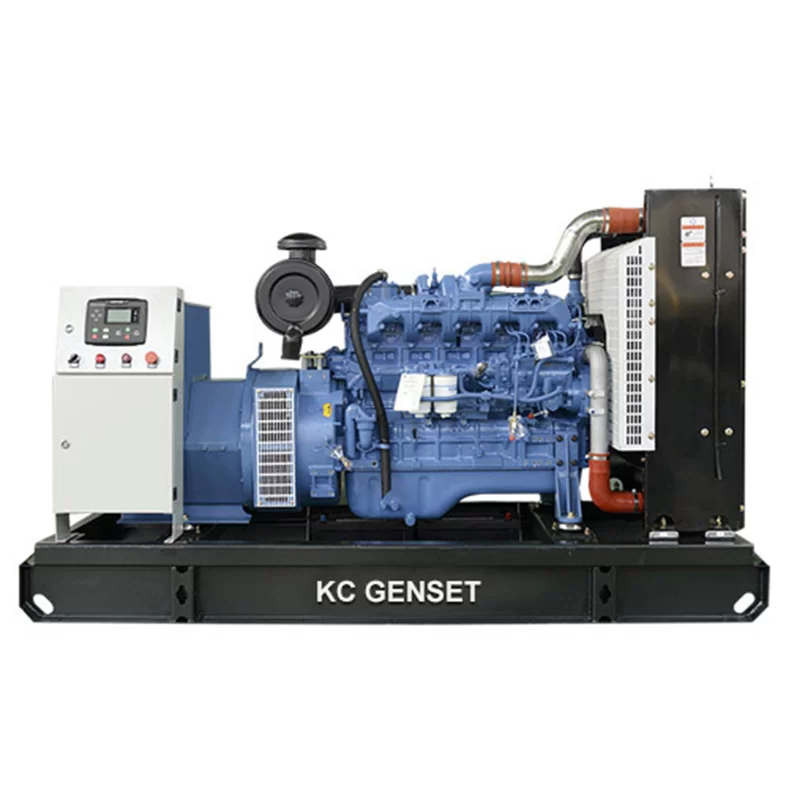
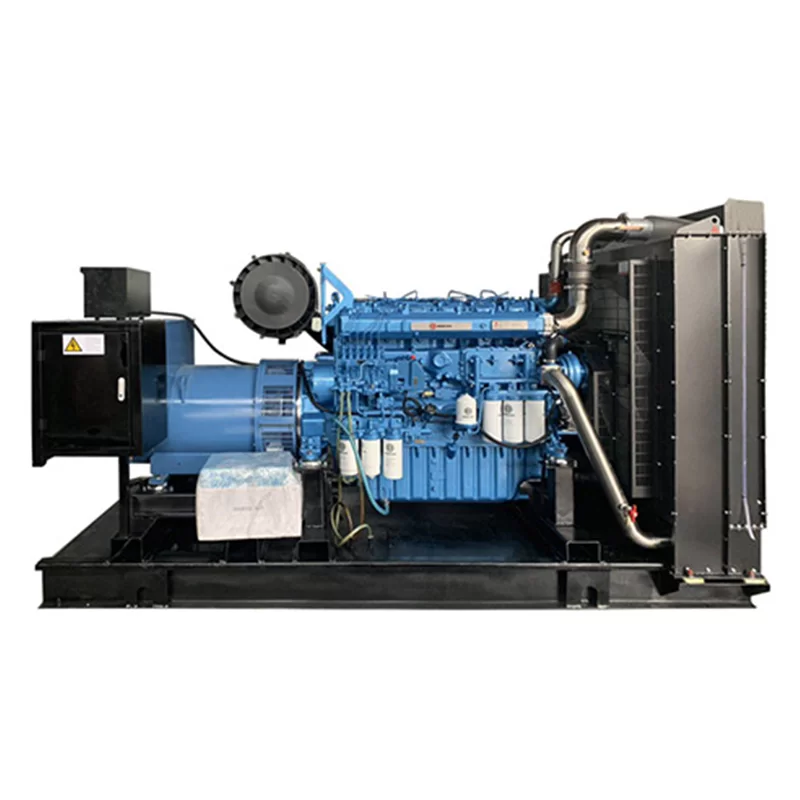
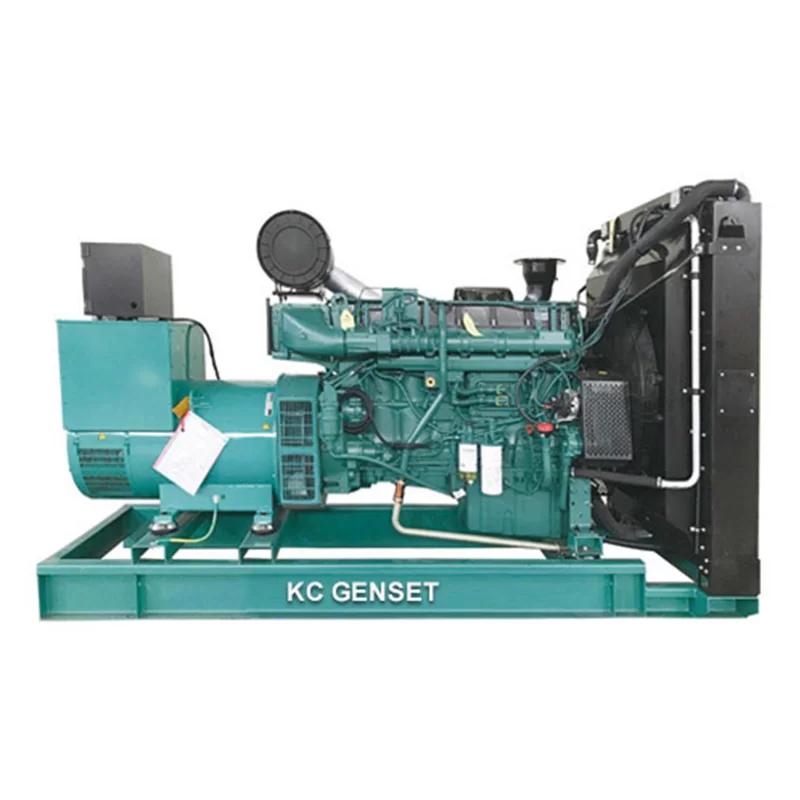
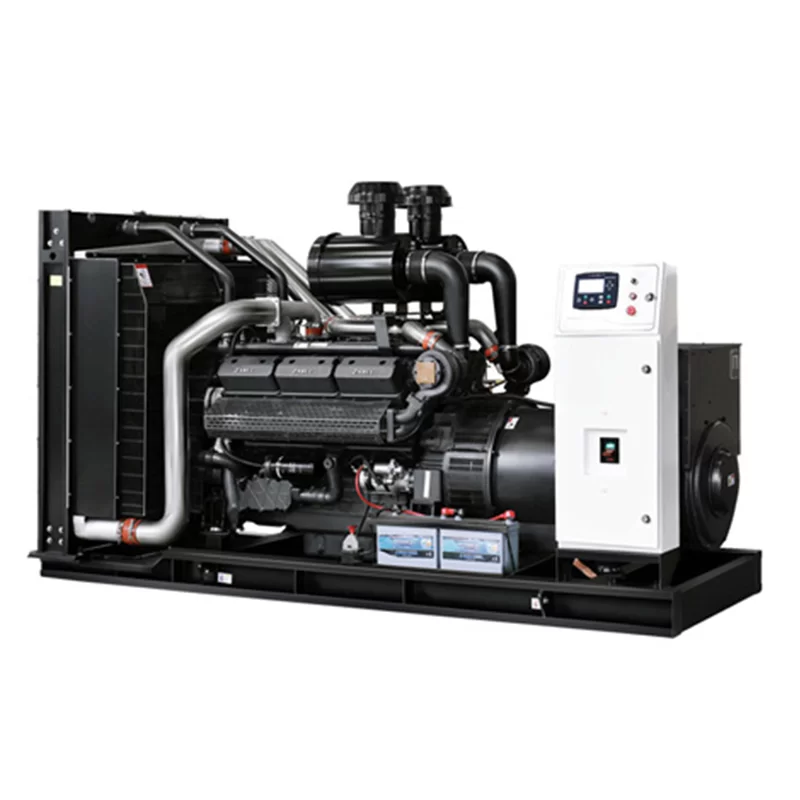
Diesel generators are among the most widely used solutions for emergency backup power in both commercial and residential settings. They are known for their reliability, durability, and ability to deliver high power output quickly. When a power outage occurs, diesel generators can start automatically and supply electricity within seconds.
One major advantage of diesel generators is their fuel efficiency under heavy loads. Diesel engines are designed to handle high demand, making them suitable for large buildings and critical facilities. Diesel fuel is also relatively easy to store and widely available, ensuring long-term reliability during extended outages.
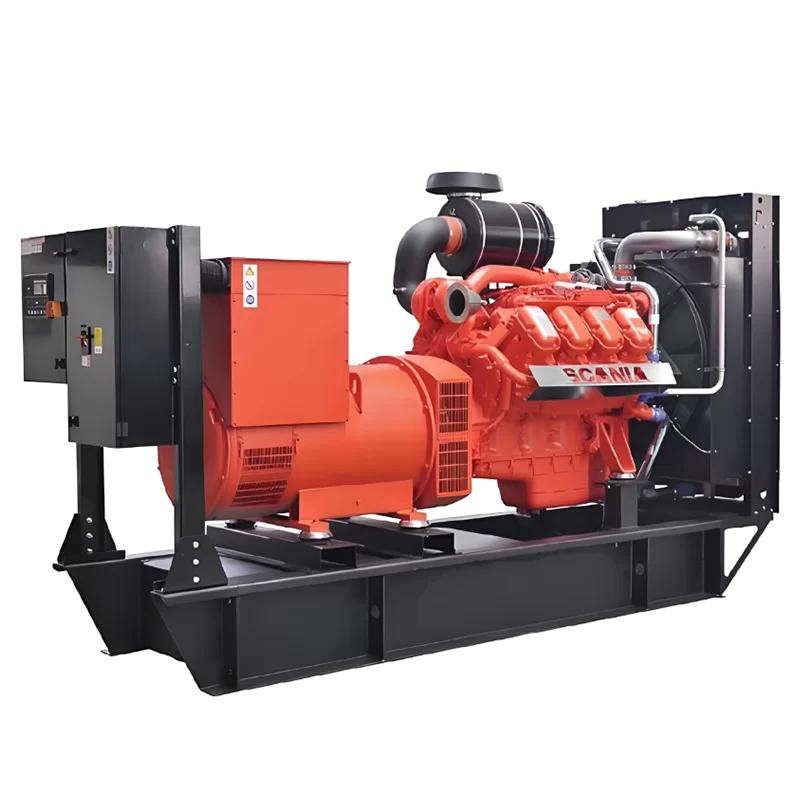
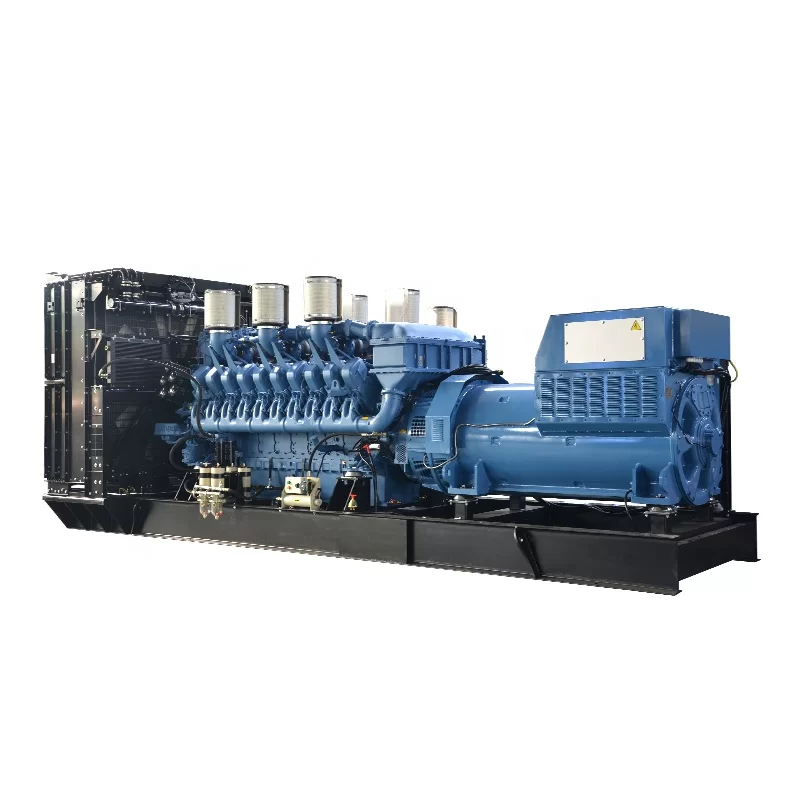
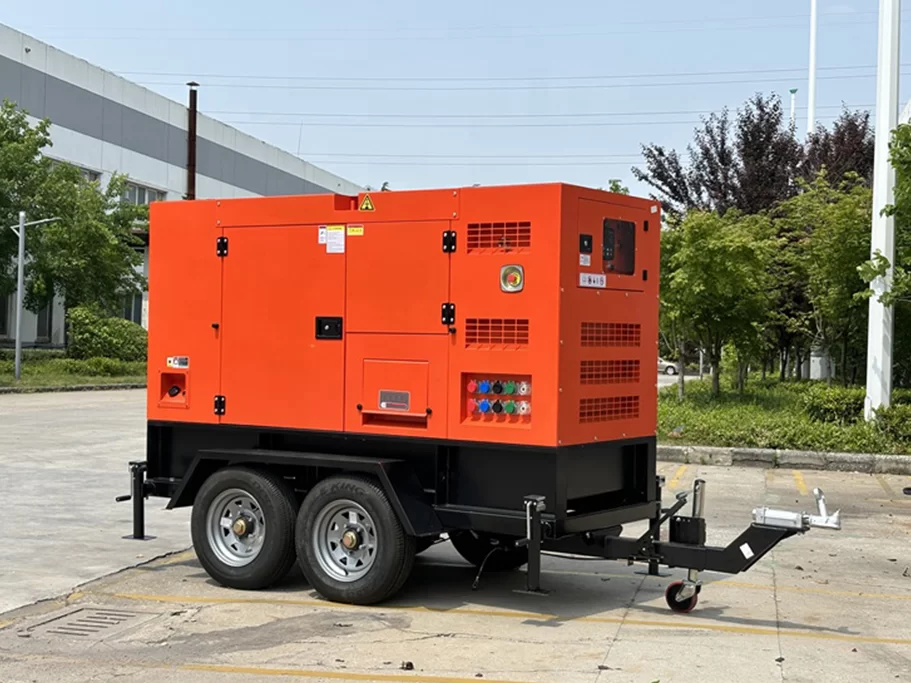
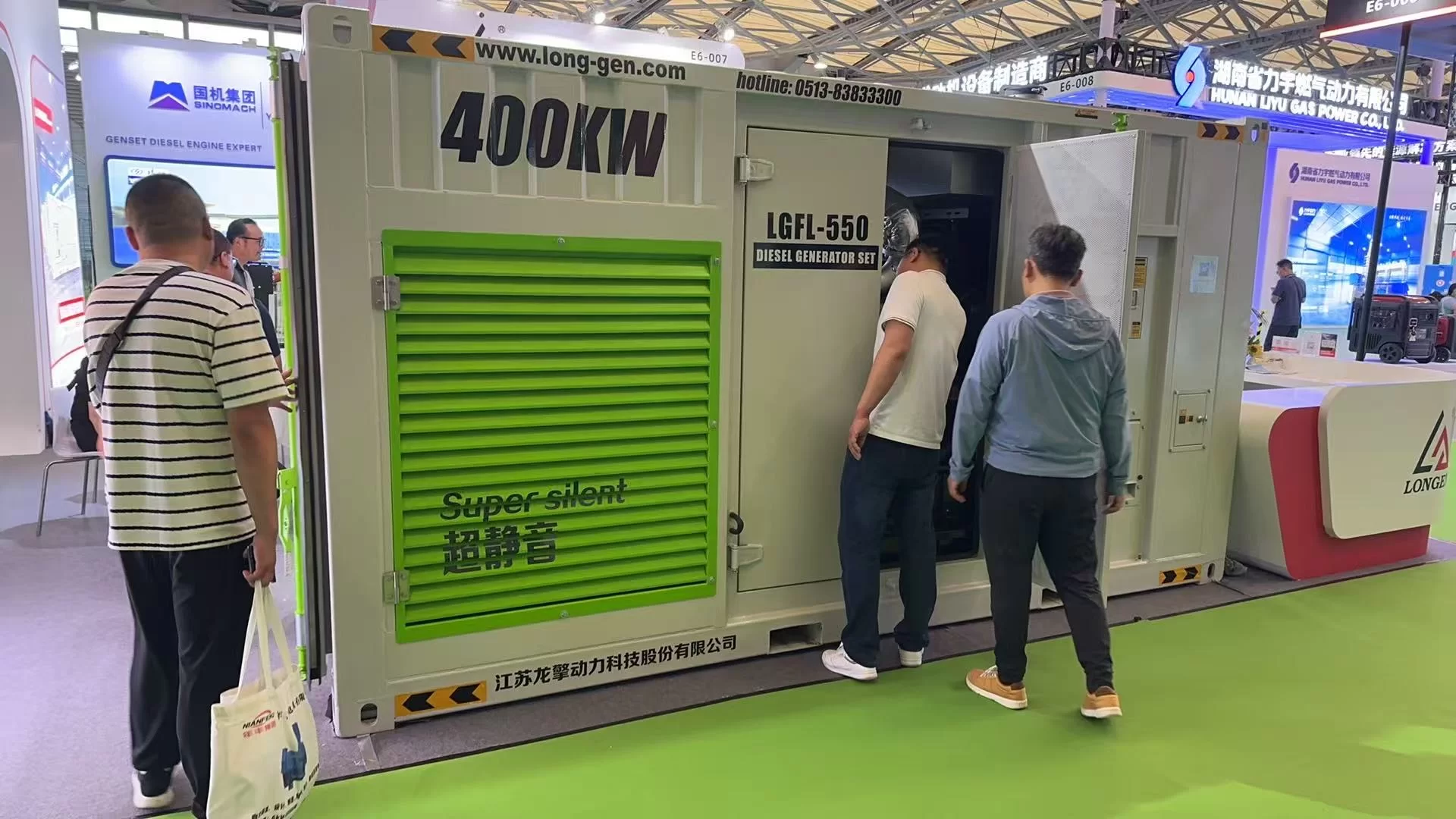
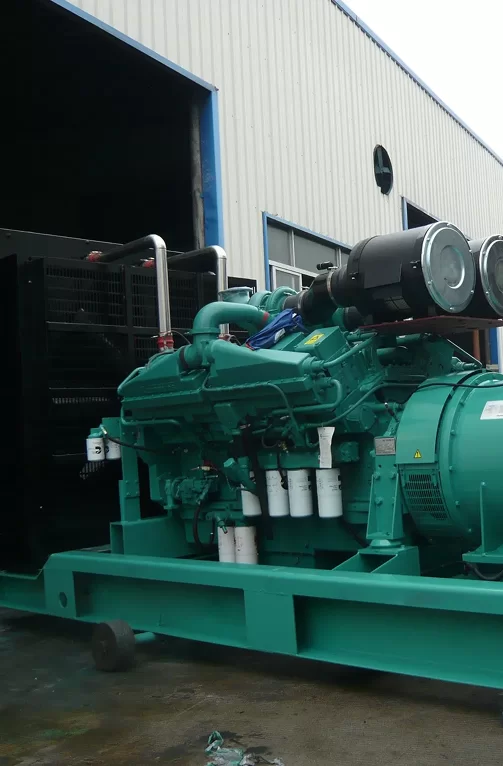
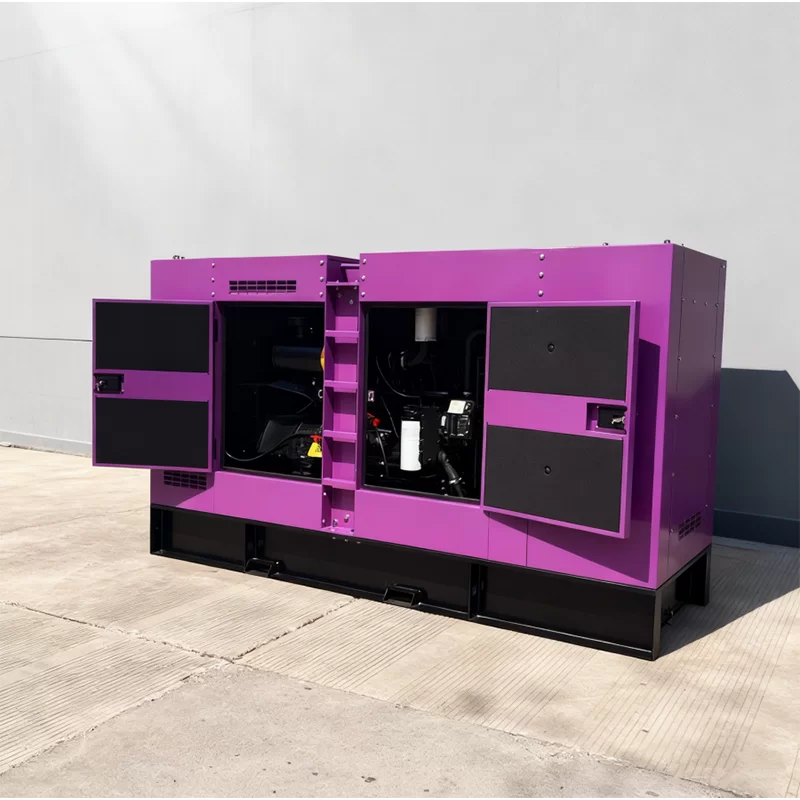
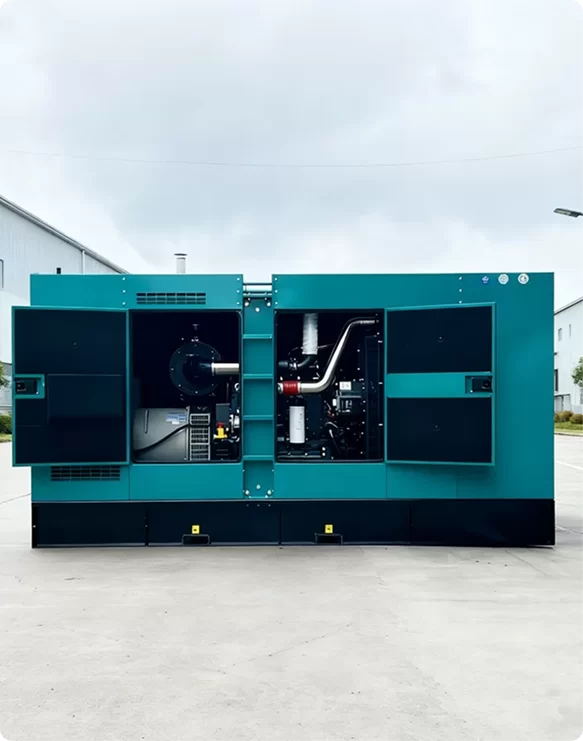
Diesel generators are available in different configurations, including open type, silent type, and containerized systems. This flexibility allows building owners to select solutions that match space availability, noise requirements, and power capacity needs.
Silent Generators for Noise-Sensitive Environments
In residential areas and urban commercial districts, noise control is a major concern. Silent diesel generators address this issue by incorporating soundproof enclosures, acoustic insulation, and vibration reduction systems. These features significantly reduce operating noise, making them suitable for apartment buildings, hotels, office complexes, and residential communities.
Silent generators allow backup power systems to operate without disturbing occupants or neighbors. This is especially important during nighttime outages or in locations with strict noise regulations. By combining low noise levels with reliable performance, silent generators offer an ideal balance between comfort and functionality.
Automatic Transfer Systems and Smart Controls
Modern emergency backup power solutions are equipped with automatic transfer switches (ATS) and intelligent control systems. An ATS continuously monitors the main power supply and automatically starts the generator when a power failure is detected. Once grid power is restored, the system safely switches back and shuts down the generator.
Smart control panels provide real-time monitoring of voltage, frequency, fuel levels, temperature, and system status. These features enhance reliability, reduce human error, and ensure optimal performance. For commercial facilities, advanced monitoring can be integrated into building management systems, allowing centralized control and remote supervision.
Safety and Compliance Considerations
Safety is a critical aspect of emergency backup power systems. Generators must comply with electrical, fire, and environmental regulations to ensure safe operation. Proper installation includes grounding systems, exhaust management, ventilation, and fire protection measures.
High-quality backup generators are designed with multiple safety features, such as overload protection, emergency shutdown mechanisms, and alarm systems. These features help prevent accidents, equipment damage, and operational risks during emergencies.
In commercial buildings, compliance with local codes and industry standards is essential. Backup power systems must be tested regularly to ensure readiness and reliability when needed.
Fuel Storage and Runtime Planning
Fuel management is an important factor in emergency backup power planning. Diesel generators rely on stored fuel to operate during outages, so adequate fuel capacity must be considered based on expected runtime requirements.
For commercial buildings, fuel storage is often designed to support several hours or even days of continuous operation. This is especially important for hospitals, data centers, and critical infrastructure facilities. Residential backup systems typically require smaller fuel tanks but should still provide sufficient runtime to cover common outage scenarios.
Regular fuel inspection and maintenance help ensure fuel quality and system reliability over time.
Cost Efficiency and Long-Term Value
While emergency backup power systems require an initial investment, they offer significant long-term value. For commercial buildings, preventing downtime and protecting equipment can save substantial costs. Business continuity, customer satisfaction, and data protection all depend on reliable power availability.
For residential properties, backup power systems enhance comfort, safety, and property appeal. Homes and apartment buildings equipped with emergency power solutions are often more attractive to buyers and tenants, especially in regions prone to power outages.
Diesel generators, in particular, are known for their long service life and low operating costs when properly maintained. Their durability makes them a cost-effective solution for long-term backup power needs.
Choosing the Right Backup Power Solution
Selecting the appropriate emergency backup power system depends on several factors, including building size, power demand, budget, noise restrictions, and regulatory requirements. Load analysis is essential to determine the correct generator capacity and configuration.
Working with experienced power solution providers ensures proper system design, installation, and support. Customized solutions can address specific needs, whether for a small residential building or a large commercial complex.
Conclusion
Emergency backup power for commercial and residential buildings is a vital investment in safety, reliability, and resilience. As power outages become more frequent and disruptive, dependable backup systems ensure uninterrupted operations, protect occupants, and minimize losses.
From diesel and silent generators to intelligent control systems, modern backup power solutions offer flexibility, efficiency, and peace of mind. By planning ahead and choosing the right power system, building owners can ensure that when the grid fails, life and business continue without interruption.